
University of Maryland, Baltimore Celebrates Growing Class of Palliative Care Graduates
Class of 2026 brings together health professionals from across disciplines and around the world, including the program’s sixth PhD graduates
By Office of Communications and Marketing
August 20, 2026
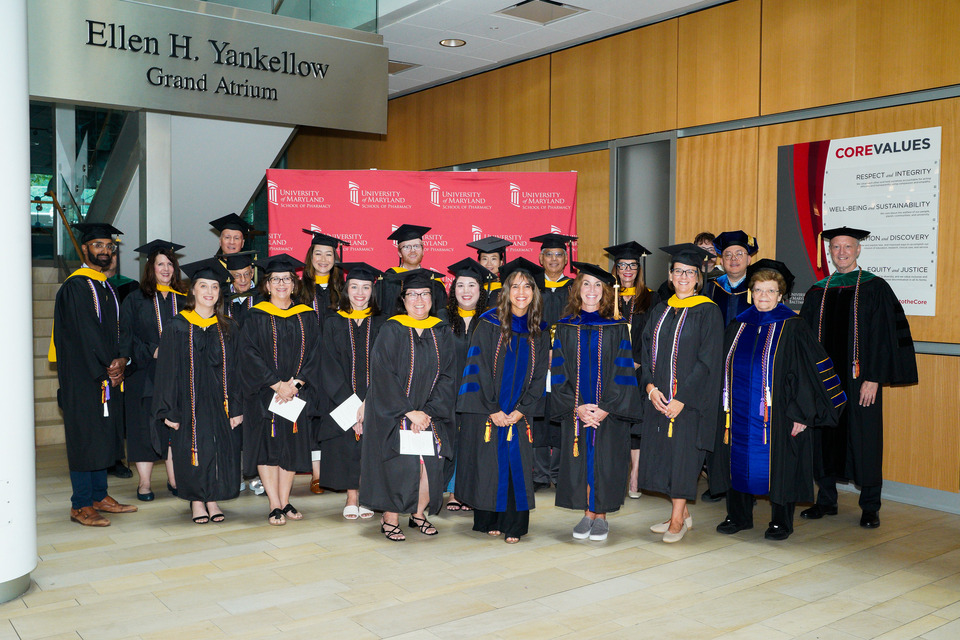
The University of Maryland, Baltimore (UMB) celebrated its Graduate Studies in Palliative Care program’s Class of 2026 on Aug. 7, honoring a growing community of professionals who are preparing to improve care for patients and families living with serious illness.
The graduation ceremony brought together graduates of the program’s Master of Science (MS), Doctor of Philosophy (PhD), and Graduate Certificate programs, along with their families, friends, faculty, and staff.
For Mary Lynn McPherson, PharmD, PhD, BCPS, professor in the Department of Practice, Sciences, and Health Outcomes Research (P-SHOR) at the University of Maryland School of Pharmacy (UMSOP) and executive director of Graduate Studies in Palliative Care, the ceremony represented the culmination of years of work, and, for many graduates, the challenge of balancing demanding academic programs with full-time careers and family responsibilities.
“This is the culmination of all your blood, sweat and tears, and I am inordinately proud of each of you!” McPherson told the graduates.
The Class of 2026 reflects the interdisciplinary nature of palliative care itself. Graduates come from a broad range of health professions and geographic backgrounds. Some earned their Doctor of Pharmacy degree from UMSOP alongside the MS in Palliative Care, while others completed specialty residencies in palliative care while pursuing their graduate degrees.
Most were already working full time as physicians, nurses, pharmacists, social workers, chaplains, and other disciplines while enrolled in the program, simultaneously caring for patients, supporting their families, and meeting the demands of graduate-level study.
Their diverse experiences are central to UMB’s program, which prepares professionals to work collaboratively to improve quality of life and relieve suffering for people facing serious illness.
“Each of you brings a unique perspective to the field,” said Sarah Michel, PhD, dean of the University of Maryland School of Pharmacy and professor of pharmaceutical sciences, in prerecorded remarks shared during the ceremony. “One of the most important priorities of the graduate education in palliative care program is to foster an interprofessional, team-based approach to caring for an incredibly vulnerable population.”
Courses are taught by faculty from multiple disciplines, helping model the collaborative practice that is essential to high-quality palliative care. Students also bring their own professional experiences into the classroom and often learn as much from one another as they do from their instructors. The program offers a wide range of electives, allowing students to develop individualized plans of study based on their professional interests and career goals.
For McPherson, the practical application of that learning is one of the program’s greatest strengths.
She recalled reading students’ reflective journal posts describing how they learned something in the program one evening and applied it in their professional practice the next day.
“One of my favorite compliments about the program is how practical the content is and how applicable,” McPherson said to the graduates. “I love that you share your learning with your team and colleagues.”
That immediate connection between education and practice reflects the program’s larger mission: preparing professionals who can bring palliative care principles into hospitals, clinics, hospice organizations, long-term care settings, community practices, research environments, and other areas of health care.
Jill Morgan, PharmD, MS, professor and chair of P-SHOR, encouraged graduates to remember the profound difference they can make for patients and families as they carry their education into their professional lives.
“Your success will not be measured only by treatments delivered or outcomes achieved, but by the compassion you show, the trust you build, and the lives you touch,” Morgan said.
This year’s ceremony also marked an important milestone for the Doctor of Philosophy in Palliative Care program.
Four additional students earned PhDs in 2026, bringing the program’s total number of PhD graduates to six. The program launched in 2021 as the first PhD in Palliative Care in the United States.
The doctoral program is helping expand the field’s capacity for research and scholarship by preparing experts to investigate the complex challenges associated with serious illness and palliative care.
The program’s growth also reflects the increasing need for professionals who can advance palliative care not only through clinical practice, but through research, education, program development, policy, and innovation.
The graduation ceremony also provided an opportunity to recognize the faculty members who have helped students reach this milestone.
Vincent “Jay” Vanston, MD, was named the 2026 Teacher of the Year. Vanston teaches in the MS program and co-teaches the first course in the PhD program.
McPherson described Vanston as an exceptionally compassionate physician, patient advocate, and educator who embodies the values at the heart of palliative care.
“He is a compassionate and empathetic practitioner who understands the patient-clinician relationship,” McPherson said. “He provides empathetic and ethical patient-centric care, and he thrives in collaborative practice.”
As they begin the next chapter of their careers, graduates are prepared to deepen their work with patients and families, develop hospice or palliative care programs, specialize in particular areas of palliative care, pursue new career opportunities, or bring palliative care expertise to their existing professions.
Michel challenged the graduates to use their knowledge and skills to lead, innovate, and improve care for people living with serious illness.
“My advice is to continue to focus on what is important,” Michel said. “To be leaders who challenge the status quo and contribute to the greater good. To be optimistic and use your knowledge, skills, and passion to drive innovation and change.”
She also reminded them that caring for others begins with caring for themselves.
“To recognize all that you have to offer,” Michel said. “To know that you are beginning your career at a time when your skills and expertise are sorely needed. To always care. To also care for yourself.”
As the Class of 2026 joins the growing community of UMB palliative care alumni, its members carry with them not only advanced knowledge and skills, but a shared commitment to making care more compassionate, collaborative, and centered on the needs of patients and families.
“There is no limit to what you can achieve,” Michel told the graduates.
Related News Stories
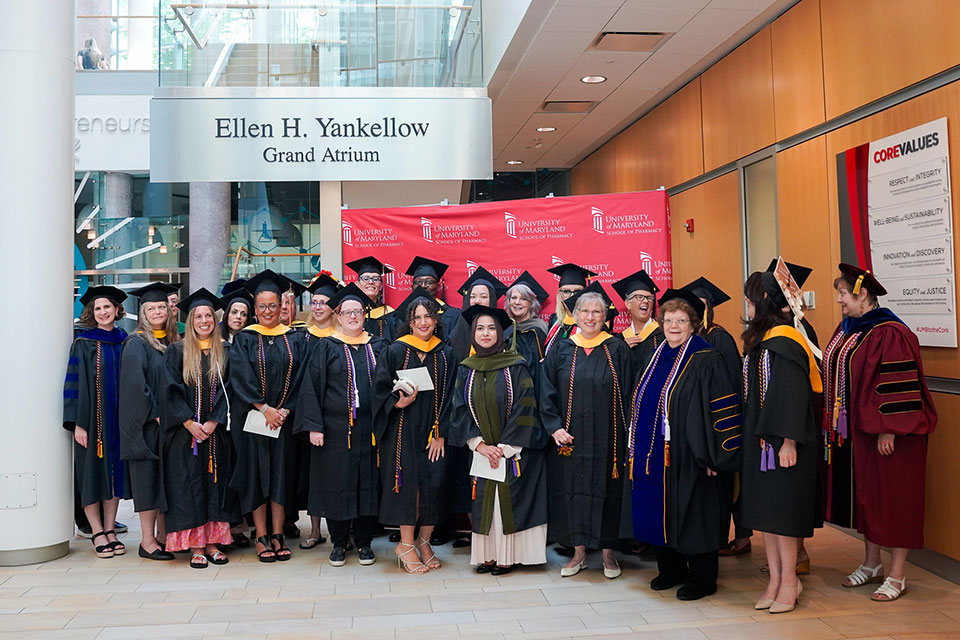
UMSOP Celebrates Nation’s First PhD Graduates in Palliative Care, Alongside MS and Certificate Recipients
August 13, 2025
Graduates poised to lead, innovate, and improve care for patients and families facing serious illness.
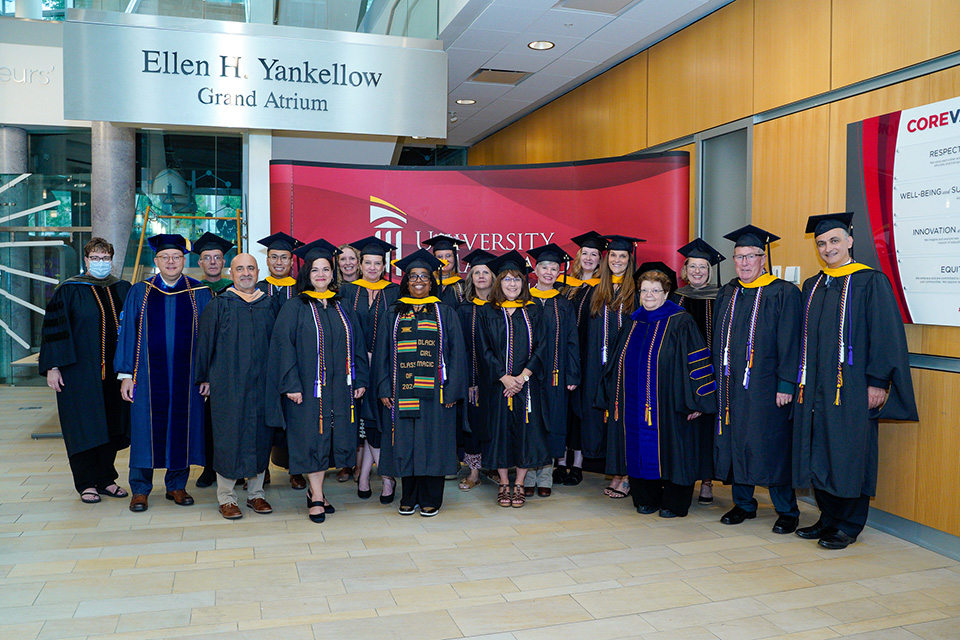
Palliative Care Graduates Undertake Noble Mission to Impact Lives of Patients
August 20, 2024
University of Maryland, Baltimore recognized 43 graduates of the Graduate Studies in Palliative Care.
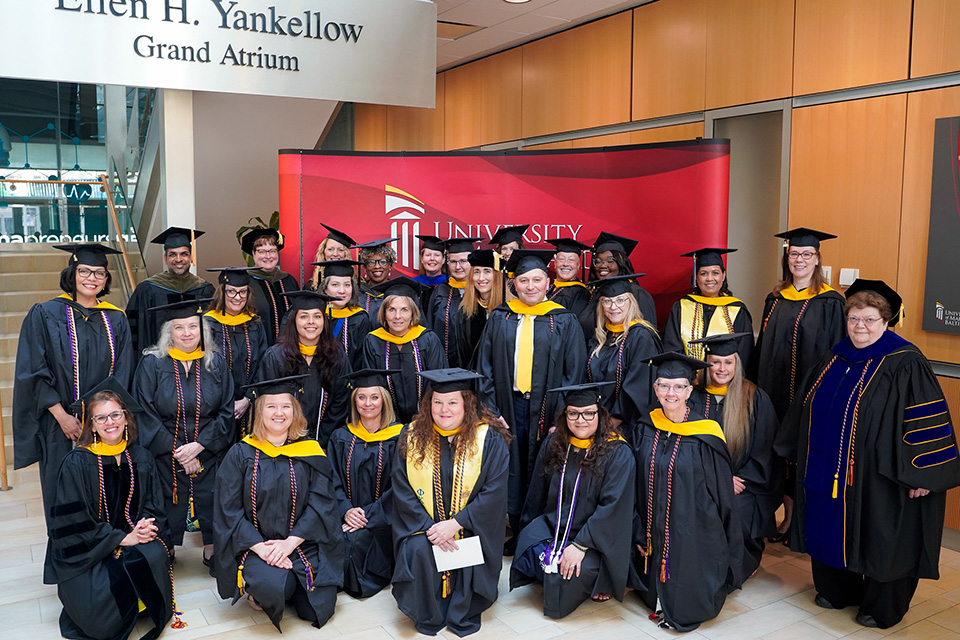
Palliative Care Graduate Program Celebrates 2023 Convocation
August 28, 2023
Graduating class is the largest in the program’s history.