
Short Course Is Long on Value
UMSOP’s immersive one-week tablets and capsules training pays big dividends.
By Nala Rogers, as published in Capsule Spring 2026
June 11, 2026
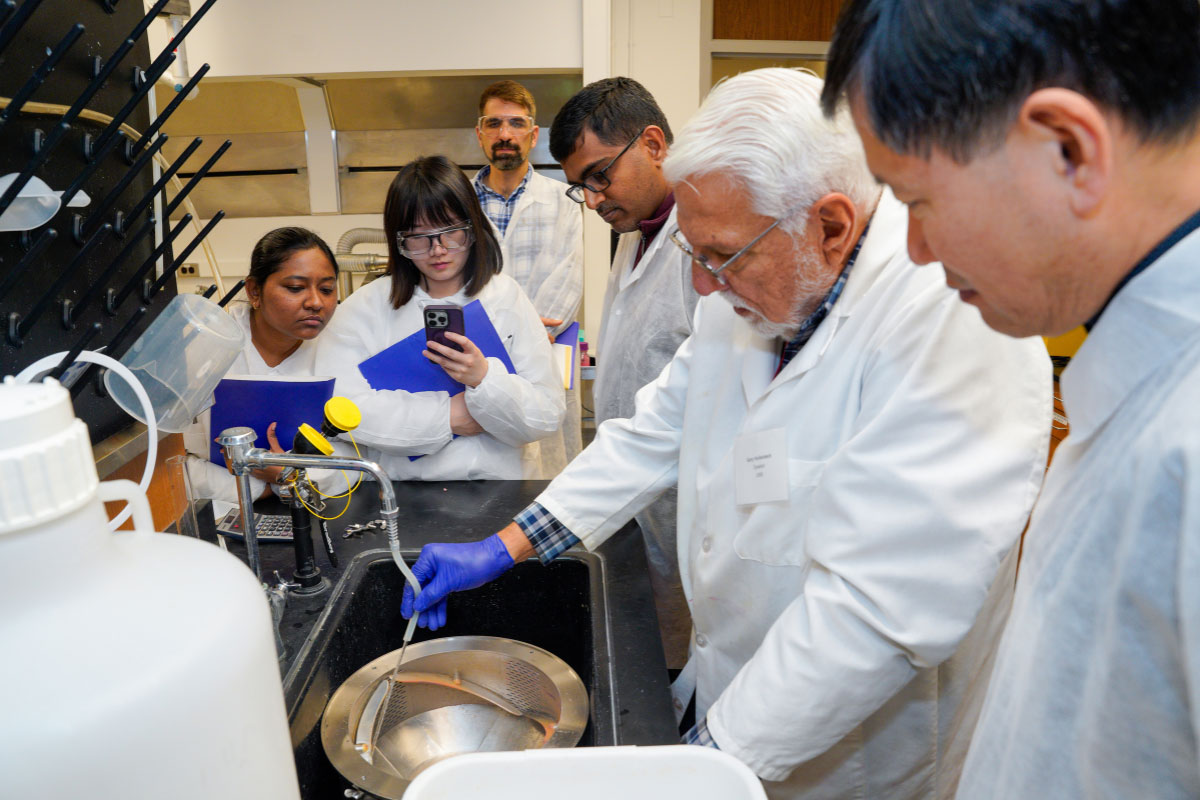
At the University of Maryland School of Pharmacy’s (UMSOP) Tablets and Capsules Hands-On Short Course in October 2025, Debora Rezende, MBA, gently scraped her fingernail along the side of a round white tablet. The top flaked off like a broken muffin. The problem, explained the laboratory instructor, was the binder. More binder would hold the components together, ensuring tablets could rattle in their bottle and remain intact until they were swallowed by a patient.
Rezende is a Texas-based senior scientist at Indovinya, a division of Indorama Ventures that manufactures excipients such as binders. Her company provides these raw materials to drug manufacturers, and she has worked with customers who are struggling to keep their tablets from crumbling.
“A customer says, for example, ‘My tablet is breaking a lot of the time. Do you know how I can improve it?’ With this course, it was tangible to see what can cause these types of problems,” says Rezende. “The better I know the topics the customer needs, the better I can share this knowledge with our customers, so we can give them solutions.”
Rezende hopes more people from Indovinya can attend the course in future years.
From Raw Materials to Product Testing

Stephen Hoag, PhD
UMSOP’s Tablets and Capsules Hands-On Short Course is one of only two programs of its kind in the United States. Packed into one immersive week, it takes students through every step of tablets and capsules manufacturing, from raw materials to final product testing, says Stephen Hoag, PhD, professor in the Department of Pharmaceutical Sciences at UMSOP. The course is run out of Hoag’s Applied Pharmaceutics Lab (APhL), a small-scale Good Manufacturing Practices (GMP) facility that formulates and manufactures drugs for clinical trials.
“The goal of this course is to build a foundation that students can work from,” Hoag says. “When they return to work, they’ll have a strong, broad base to build upon, allowing them to get up to speed much more quickly.”
Rezende was excited to learn from Hoag, since she has studied textbooks that he authored. The course instructors include both academics like Hoag and experts from industry.
“To be able to learn from an expert on their equipment in their technical field, and learn the little tricks of the trade — that’s where the value is,” says Robert Sedlock, director of Natoli Scientific, a division of Natoli Engineering Co. that specializes in tablet technology. Sedlock gives the course’s lecture on tablet compaction and teaches a lab on tablet formulation evaluation. UMSOP’s course is very prestigious, he says, and it boosts his company’s credibility to be a part of it.
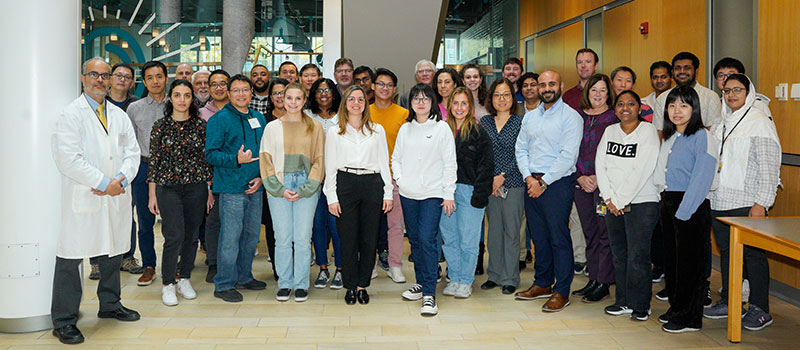
Hoag developed the Tablets and Capsules Hands-On Short Course in 2013 with Ahmed Ibrahim, PhD, who is now the quality control manager for APhL as well as course director. In the years leading up to the COVID-19 pandemic, each class trained 30 to 50 students from industry and the U.S. Food and Drug Administration (FDA). It has drawn international as well as U.S.-based students, with some traveling from as far as Italy and Saudi Arabia. After a three-year pandemic hiatus, the course is once again going strong.
“It’s the most exciting time of the year, full of energy and shared learning and genuine connections,” says Dongyue Yu, PhD ’22, senior scientist at Bristol Myers Squibb and a UMSOP alumna who participated in the course as a student and assistant and returned last year as an instructor. “Many of the skills, insights, and relationships I gained from the Short Course continue to influence my work today.”
Hands-On Learning

Ahmed Ibrahim, PhD
Ibrahim likens his role as course director to running a show that is live on-air. Months of planning must come together seamlessly, with equipment, food, instructors, and students all moving through an intricately choreographed schedule. Days start with breakfast at 7:15 a.m., with instruction beginning at 8 a.m. and running as late as 5:40 p.m. Students learn together at lectures, then break into groups of four to six for labs.
The labs are especially challenging to arrange. The tablet press must be shipped in from New Jersey, and it’s up to Ibrahim and his colleagues to wrestle the 800-pound machine into place. But it’s worth the effort. Labs are the heart of the course — indispensable opportunities to learn by doing rather than merely listening.
Gary Hollenbeck, PhD, has been teaching at the School of Pharmacy since the 1970s. After a 10-year period as chief scientific officer at UPM Pharmaceuticals, he returned to the University to support GMP activities and to provide instruction for the Short Course.
“Labs are expensive. They take a lot of time, and so the actual hands-on training in universities has decreased,” he says. “How do you do things like formulate and develop a pharmaceutical product without having that kind of background experience?”
Moreover, Hollenbeck adds, technological advances have increasingly turned manufacturing equipment into “black boxes.” Instead of using valves and levers to make intuitive adjustments, operators are now separated from the action by layers of programming and screen inputs. In his Bead and Tablet Coating lab, Hollenbeck demystifies the tablet coating machine through a sort of mechanical vivisection.
“We rip it apart,” he says. “We’ll show you the critical components, how one controls the operation, all the process parameters that need to be controlled for a successful outcome.” He even pulls out the spray nozzle, which is usually hidden on modern tablet coaters, and uses it to spray water on a paper towel. By the time students create their own coating using the reassembled machine, they understand exactly what’s happening inside.
Many of the labs encourage students to experiment and see how their own choices affect the process and outcome. For example, in the High Shear Granulation lab, each team of students chooses the dye and the amount of water to add to a powder containing excipients and acetaminophen. They also choose the speed and settings on the high shear mixer, which resembles a high-tech KitchenAid appliance. Blades spin to mix dry ingredients with water or other liquids, eventually forming tiny granules about a millimeter in diameter.
The lab is taught by Tim Smith, MS, a 35-year veteran of FREUND Inc., the company in Iowa that produces the high shear mixer used in the course. During the mixing process, Smith periodically removes the mixture so that he and any students who want to can test it with their bare hands — something that would never be possible during real production.
“The human hand is a wonderful tactile device of feeling and knowing things,” says Smith. “We’ll reach in and try to make a small snowball. If it just falls apart, or if I have dust on my hand, we know that there’s not enough moisture in there.”
Sometimes, students can see immediately how their choices affect the final product, such as when granules are too large or coatings are cracked. In other cases, students find more subtle problems when they test their creations. In Ibrahim’s Quality Control lab, for example, they might discover that their tablets dissolve too quickly in a solution mimicking gastric juices.
Students also can compare their own creations to those of other students and lab groups, so everyone has the chance to see optimal and sub-optimal results. During the course wrap-up on the last day, Ibrahim leads a discussion of all the lab results, and the group that made the best extrusion and spheronization product wins a prize.
Who Should Take the Course?
Early-career participants can obviously benefit from the foundational training the course provides. But many of the students are experts in their own right — people who have worked in a particular area of pharmaceutical manufacturing for years.
“Maybe you’ve had somebody in the industry who’s been an analytical chemist their whole career, and now they want to branch out into formulation or manufacturing,” Hollenbeck says. “Or maybe they are moving up the administrative ladder, so they’re going to be supervising people in different areas.”
Experienced people can reap benefits even if they aren’t planning a career move. When industry personnel understand the entire tablet- and capsule-making process, they can better ensure that their own work serves larger goals such as production efficiency and product quality. For example, some students have decades of experience working in a particular area such as granulation.

Keith Freel, PhD
“Having a better understanding of what’s happening in the drying step will help you to optimize the granulation so that it’ll work better downstream,” says Keith Freel, PhD, research project director at APhL and one of the course instructors. “Even though you’re an expert in one thing, you get an introduction to all aspects of the manufacturing, so you can understand where your specialty fits into the bigger picture.”
The Short Course also helps participants stay up-to-date with new advances. It covers techniques that are on the cutting edge of technology, such as in-process measurement during hot-melt extrusion, as well as big-picture aspirational topics such as continuous manufacturing. The 2025 course introduced a new lab on 3D printing.
Yu’s first experience with the course was in 2017, when she was beginning her PhD research in Hoag’s lab using a STYL’One compaction simulator. At the time, UMSOP was the only academic institution in the country to have such a machine, which allows drug developers to test different approaches for pressing out tablets before beginning large-scale production. The instructor for the compaction simulation lab was an expert from Medelpharm (now part of Korsch AG), the company that manufactures the machine.
“It was a very new machine. Everybody was trying to learn how to operate it. There were a lot of details that are not something you can just directly find from the manual,” Yu says. She later applied those lessons during internships with Roquette and Merck & Co., Inc.
Yu no longer uses a compaction simulator herself, but her colleagues at Bristol Myers Squibb use one at other stages of development. The training makes her better at her job, Yu says, “because I know what’s going to happen next.”
Regulators also need an up-to-date understanding of the entire production process, which is why the FDA has sent more than 200 people to take the course since its inception. When regulators inspect facilities, they are often seeing systems that have been honed and perfected, notes Hollenbeck. The course helps them appreciate the challenges that must be overcome to achieve process maturity, and how problems in one area can ripple through other links in the production chain.
Lasting Connections
All course participants benefit from the chance to learn from people representing different parts of the pharma world. Academics, regulators, and industry experts can compare notes and perspectives, and they often form lasting friendships, cemented through shared experience and social events such as the opening reception dinner. Yu says it’s easier to network at the Tablets and Capsules HandsOn Short Course than it is at professional conferences. One of the friends she met there works at the FDA, and she regularly sends him regulation-related questions.
In the end, the benefits accrue to patients.
“My touchstone is, is this a product that I would take? And I think the more experience you have, and the more training you have in terms of manufacturing these things, the safer the pharmaceutical products are,” Hollenbeck says. “We’re part of making sure that the landscape of commercial pharmaceutical products are quality products.”
Related News Stories
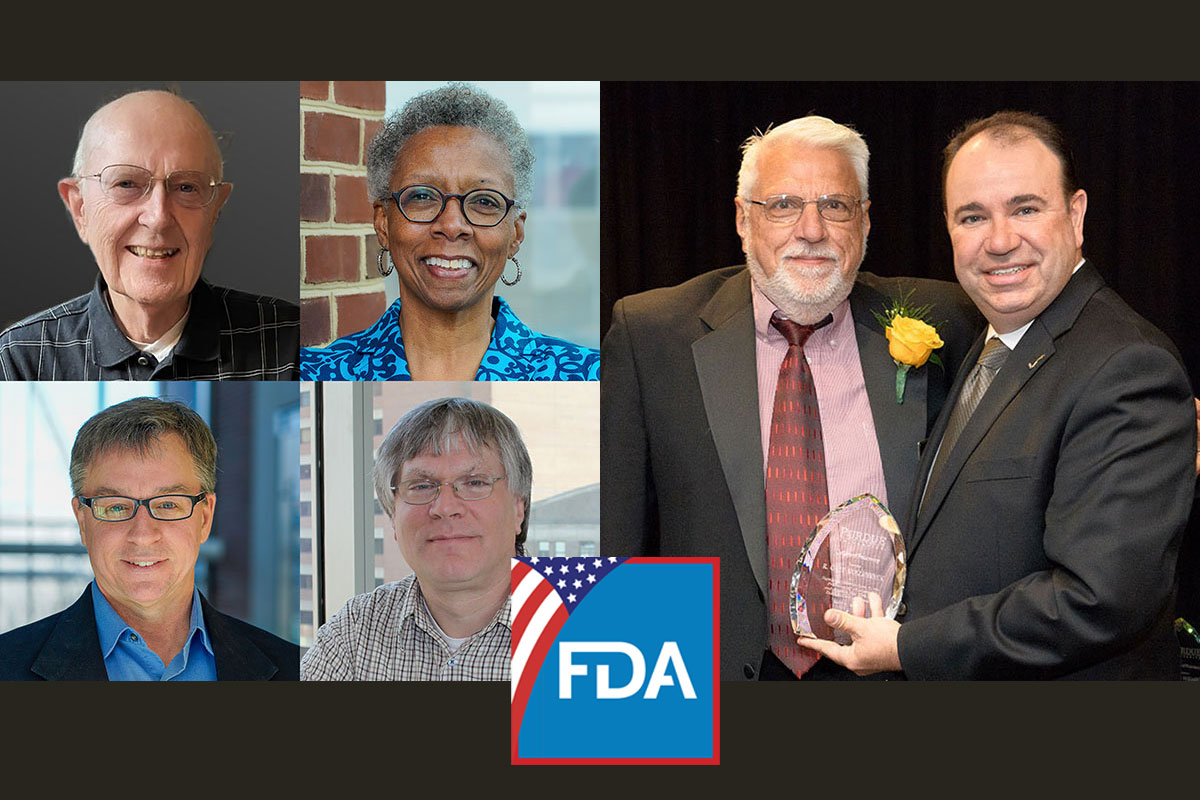
UMB Celebrates America at 250: How the School of Pharmacy Helped Modernize the Drug Approval Process
July 17, 2026
From research to regulation, UMSOP works to influence national drug policy, improve public health, and support the Food and Drug Administration, one of the USA’s most critical scientific institutions.
More Than Numbers
July 7, 2026
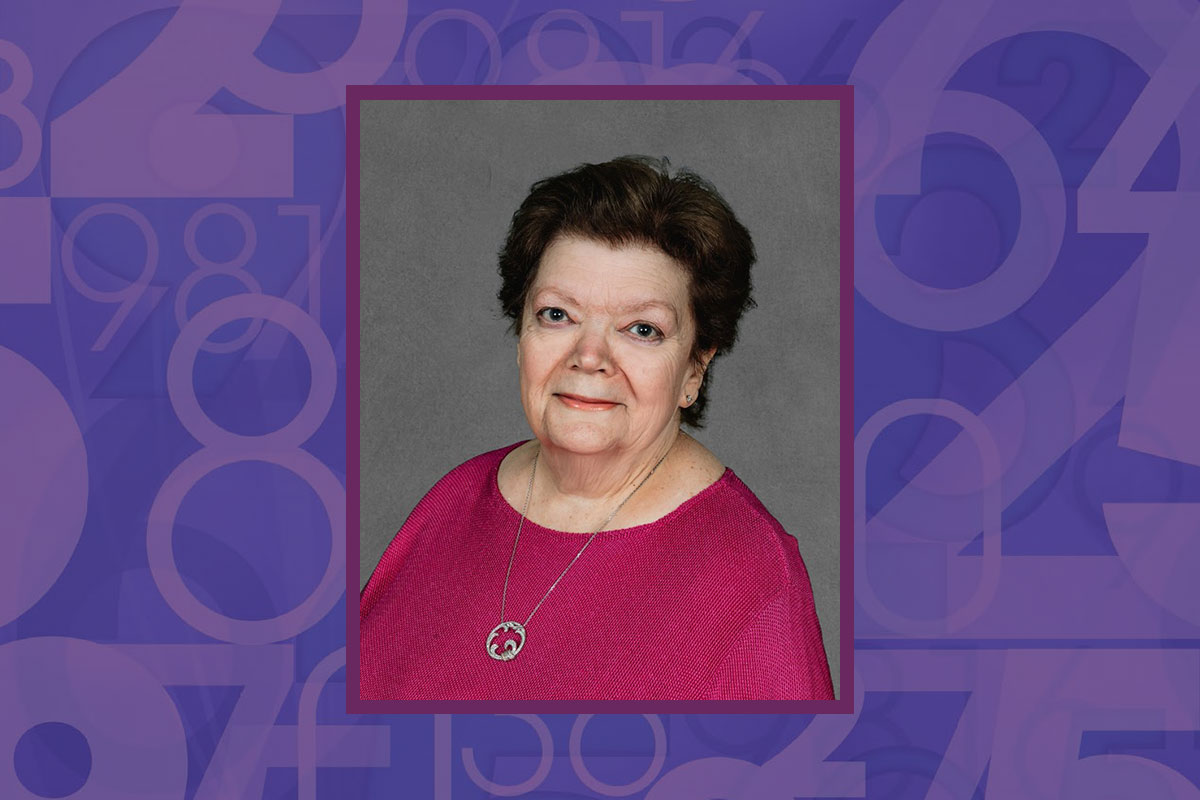
McPherson’s dogged pursuit brings consistency and safety to opioid conversion calculations.

UMSOP and KamTek Collaborate on Therapeutic Development to Treat Deadly Infections
November 23, 2020
Award from the Maryland Industrial Partnerships (MIPS) program supports work to formulate Clofazimine for treatment of recurrent C. difficile infections.