
RxSTAT Expands Emergency Medicine Opportunities for Student Pharmacists
A new PharmD student organization provides hands-on exposure to a fast-paced and high-impact area of pharmacy practice.
By Madeline Goldstein and Pam Carder
February 25, 2026
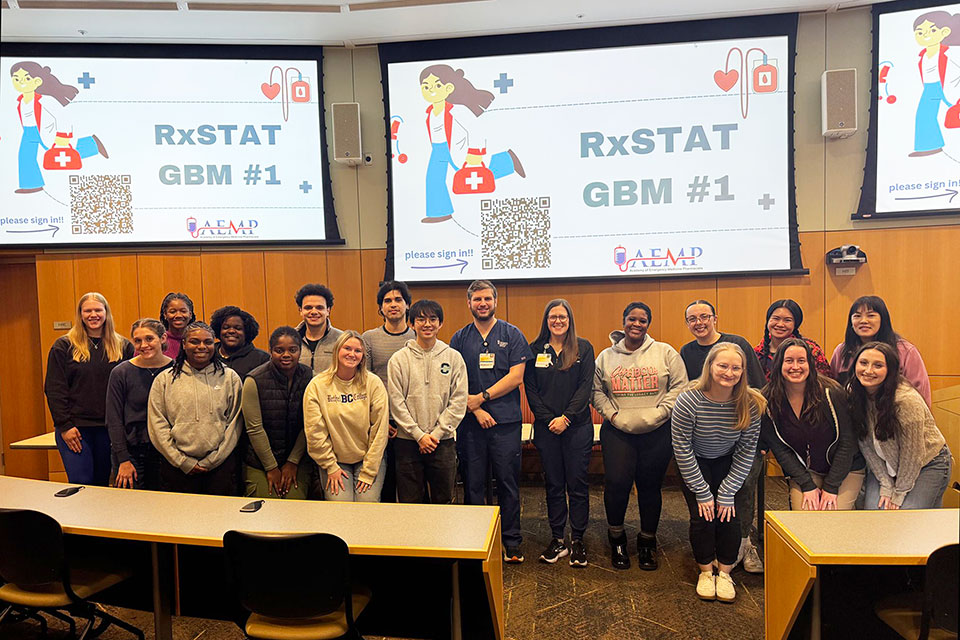
The Student Government Association at the University of Maryland School of Pharmacy (UMSOP) has launched its 22nd student organization with the introduction of the UMSOP chapter of RxSTAT.
RxSTAT is dedicated to introducing student pharmacists to emergency medicine and critical care through skills-based workshops, guest speakers, case discussions, and professional development programming.
Madeline Goldstein, a third-year student pharmacist and president of UMSOP’s new RxSTAT student chapter, noted that seven new chapters were launched nationwide in fall of 2025.
RxSTAT’s sponsoring organization is the Society for Academic Emergency Medicine, a leading professional organization dedicated to advancing research, education, and career development in academic emergency medicine.
For Goldstein, the motivation behind launching the chapter was clear.
“Emergency medicine is high-stakes, fast-paced, and incredibly impactful, yet there were limited opportunities for student pharmacists to explore this practice area,” says Goldstein. “We wanted to build a community where students could actively engage with the specialty.”
Turning Experience into Opportunity
Goldstein’s interest in emergency medicine deepened during her Introductory Pharmacy Practice Experience rotations at the University of Maryland Medical System (UMMS). Immersed in a clinical environment, she observed firsthand how critical rapid decision-making is in emergency settings.
One experience that stood out was participating in a Stop the Bleed training. “Going into the class, I was nervous because I’m not the biggest fan of blood,” Goldstein says. “But I quickly realized how essential these skills are. Learning how to properly pack a wound, even using clothing if necessary, and understanding how immediate action can save someone’s life was empowering.”
By the end of the training, she says, the confidence she gained outweighed her discomfort. “The experience reinforced how pharmacists can play a direct role in patient outcomes during emergencies,” she added. “I wanted other students to have that same experiential opportunity.”
Assisting with the preparation and tagging of emergency medication kits during her rotation further solidified her interest. “Working alongside a pharmacist and learning the purpose of each medication in the kit gave me a deeper appreciation for the pharmacist’s role on the care team,” she said.
Bridging the Gap in Exposure
Emergency departments often serve as the “front door” to the health care system. Pharmacists practicing in these settings are involved in some of the most complex and time-sensitive medication decisions in patient care.
RxSTAT was created to bridge the gap between classroom learning and real-world emergency practice, helping students understand the expanding role of pharmacists in critical care.
“Student-led initiatives like RxSTAT demonstrate the leadership and passion of our learners,” says Kristine Parbuoni, PharmD, BCPPS, assistant dean for PharmD student life and student success and associate professor in the Department of Practice, Sciences, and Health Outcomes Research. “By creating opportunities for hands-on learning and mentorship, they are strengthening their clinical confidence and preparing to contribute meaningfully in high-acuity environments.”
Active Learning in Action
Although still in its early stages, RxSTAT has already begun implementing programming focused on practical engagement and professional growth.
Planned initiatives include:
- Skills-based workshops, such as Stop the Bleed training
- Guest speakers, including emergency medicine pharmacists and residents
- Clinical case discussions based on real emergency scenarios
- Professional development programming for students interested in emergency medicine
The organization’s first event featured two emergency medicine pharmacists from UMMS, who shared insights into their day-to-day practice and answered student questions about career pathways and training.
Goldstein says the goal is to make emergency medicine feel approachable, even for students who may initially find it intimidating.
“Emergency medicine can seem overwhelming at first,” she says. “But through RxSTAT, we want to create an environment where students can ask questions, practice skills, and grow their confidence together.”
Parbuoni notes that experiences like these are essential to student development. “Providing students with opportunities to engage beyond the classroom enhances both their professional identity formation and their readiness to serve patients in complex care settings,” she says. “The School’s catalog of more than 20 student organizations offers a full range of exposure opportunities across the continuum of pharmacy specialty areas.”
Preparing Future Pharmacists for Critical Roles
Through experiential learning, mentorship, and peer collaboration, RxSTAT is helping student pharmacists position themselves for future emergency and critical care environments and roles.
“Our hope is that students leave RxSTAT feeling more confident and more prepared,” Goldstein says. “Whether they ultimately pursue emergency medicine or not, the skills and mindset they develop will carry into any area of pharmacy practice.”
Related News Stories
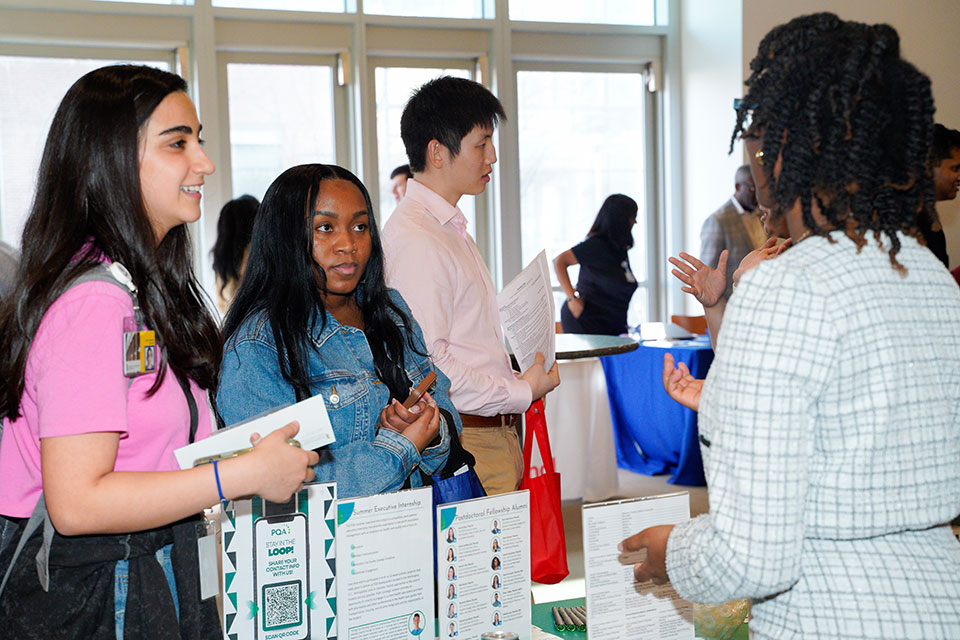
Career Fair Helps UMSOP Students Turn Connections into Careers
March 20, 2026
Event connects student pharmacists with employers and opportunities across community practice, industry, and health systems.
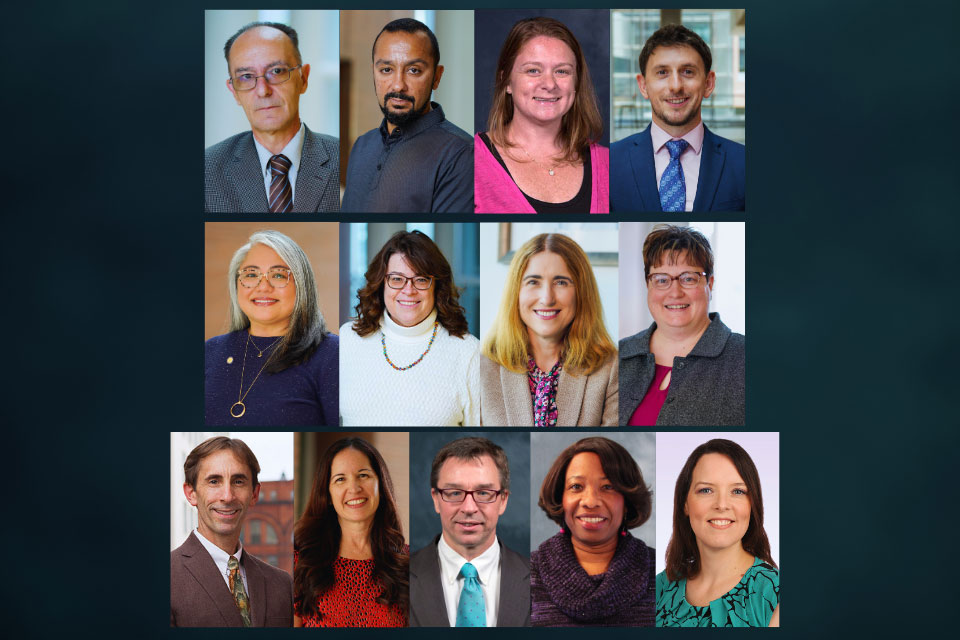
UMSOP Faculty and Programs Honored at AACP Annual Meeting
July 31, 2025
Celebrating big wins at AACP 2025, from top research awards to national leadership roles.
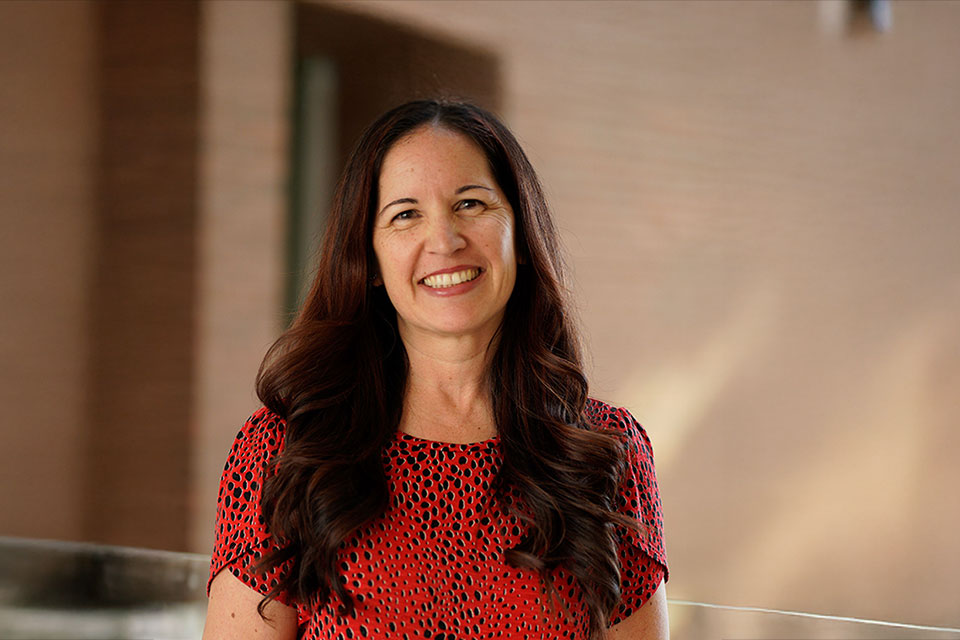
Kristine Parbuoni Named Inaugural Assistant Dean for PharmD Student Life and Student Success
April 28, 2025
New assistant dean role keeps student success and support at the center of the PharmD experience, from orientation through graduation.