
Three UMSOP Preceptors Earn Promotions
Clinical affiliate faculty serve as preceptors and earn academic advancement through teaching, scholarship, and service.
By the UMSOP Experiential Learning Program Office
July 21, 2026
The University of Maryland School of Pharmacy’s (UMSOP) Experiential Learning Program is strengthened by the dedication of hundreds of preceptors who serve as teachers, mentors, and role models for the School’s student pharmacists. Through the Clinical Affiliate Faculty Program, preceptors are recognized as integral members of the School’s educational mission and are afforded opportunities for academic advancement that acknowledge their contributions to teaching, scholarship, and service.
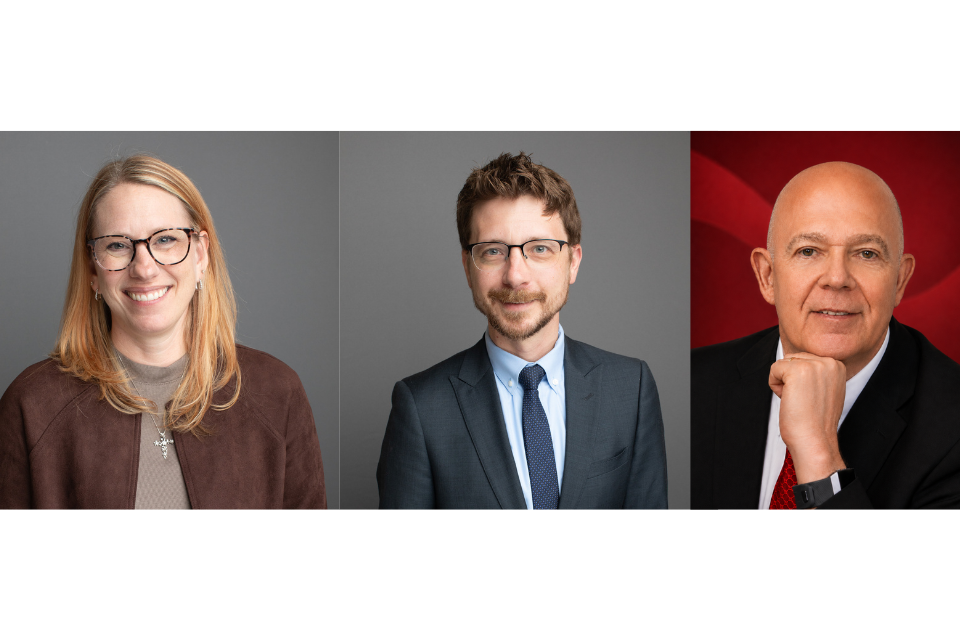
This summer, three preceptors earned promotion withing the clinical affiliate faculty ranks based on their accomplishments, contributions, and dedication.
Mary C. Ghaffari, PharmD, BCPS, DPLA, FAB
Promoted to Clinical Associate Professor
Mary Ghaffari is senior director of medication utilization and practice management for the University of Maryland Medical System (UMMS), where she oversees system-wide clinical pharmacy services, formulary management, and medication-use initiatives. She was appointed as a clinical affiliate faculty member at UMSOP in 2016 and has served as a preceptor for leadership, management, and pharmacy administration rotations. Prior to joining UMMS, Ghaffari held a variety of clinical and pharmacy leadership positions across the country and previously held academic appointments at the University of California, San Francisco School of Pharmacy and University of the Pacific. Throughout her career, she has developed expertise in health-system leadership, clinical operations, medication stewardship, and practice advancement. She is co-chair of both the UMMS Pharmacy and Therapeutics Committee and the UMMS–UMSOP Joint Council, helping strengthen the partnership between the School and one of its largest experiential learning partners.
“What distinguishes Dr. Ghaffari as a preceptor is her ability to expose students to the broader impact pharmacists can have on health care systems,” says Mojdeh Heavner, PharmD, professor of practice, sciences, and health outcomes research and assistant dean for experiential learning at UMSOP. “Through rotation experiences, students gain hands-on experience with formulary reviews, policy development, stewardship initiatives, and presentations to health-system decision-makers. Rather than observing from the sidelines, students participate in projects that influence real organizational decisions and contribute to patient care across an entire health system.
According to Heavner, learners consistently describe her rotations as eye-opening opportunities to understand pharmacy leadership, strategy, and change management at a level they rarely encounter elsewhere.
“Dr. Ghaffari exemplifies how preceptors can expand students’ perspectives on the many ways pharmacists can influence patient care and organizational outcomes,” she says.
Ryan Whisler, PharmD, MPH, BCACP
Promoted to Clinical Associate Professor
Ryan Whisler is a clinical coordinator for health outcomes and research with Johns Hopkins Care at Home. Until early 2026, he specialized in the care of solid organ transplant recipients. He was appointed as a clinical affiliate faculty member at UMSOP in 2016 and precepts students in ambulatory and transplant-focused pharmacy practice experiences. Over the course of his career, Whisler expanded outpatient transplant pharmacy services and developed innovative approaches to patient education, medication access, and care coordination. In addition to serving as a preceptor for student pharmacists, he has mentored pharmacy residents and contributed to research and quality improvement initiatives focused on transplant outcomes. His professional contributions also include leadership roles within the Maryland Society of Health-System Pharmacists and scholarly presentations related to transplant pharmacy and medication access.
“Dr. Whisler’s commitment to teaching is evident in the thoughtful and structured learning experiences he creates for students,” says Heavner. “His rotations challenge learners to apply clinical reasoning to real patient care situations, drug information questions, and transplant-related medication management issues.
In his rotations, students gain firsthand exposure to the complexities of ambulatory transplant practice, including medication access, patient education, adherence support, and interprofessional collaboration.
“Equally important, they see how pharmacists can identify unmet patient needs and develop innovative services to address them,” says Heavner. “His rotation provides an outstanding example of how experiential education can connect clinical knowledge with meaningful patient impact.”
William A. Hess, BS Pharm, CAPT (ret.), USPHS
Promoted to Clinical Professor
William Hess serves as an informatics pharmacist in the U.S. Food and Drug Administration’s (FDA) Office of Health Informatics, where he works on medication standards, structured product labeling, and health information systems that support medication safety and regulatory decision-making. He was first appointed as a clinical affiliate faculty member at UMSOP in 1999, continuously serving as a preceptor for more than 25 years. A retired captain in the U.S. Public Health Service, Hess has devoted nearly five decades to federal service through leadership roles in public health, emergency preparedness, regulatory science, and health informatics. His scholarly work includes numerous publications, textbook chapters, technical guidance documents, and national standards that have influenced pharmacy practice, medication safety, and health care data systems. In recognition of his commitment to pharmacy education, he received the American Association of Colleges of Pharmacy Preceptor of the Year Award in 2024.
“Mr. Hess has created one of the School’s most distinctive experiential learning opportunities by introducing students to the world of regulatory science and federal pharmacy practice,” says Heavner. “At UMSOP, he has precepted 82 students, including 66 within the past 10 years. His FDA rotation exposes students to topics rarely encountered in traditional pharmacy training, including drug regulation, health informatics, medication terminology standards, and public health policy.”
Heavner says students leave Hess’ rotation with a completely new appreciation for the role pharmacists play in shaping medication safety and health care at a national level.
“Through decades of mentorship and career guidance, Mr. Hess has inspired many graduates to pursue careers in regulatory science, public health, informatics, and federal service, extending the impact of his teaching far beyond the rotation itself,” she says.
The Preceptor Path to Promotion
Many preceptors are already building strong promotion portfolios through their everyday contributions to experiential education. Clinical affiliate faculty may be eligible for promotion after demonstrating sustained commitment to UMSOP through precepting, teaching excellence, scholarship, and service. Promotion candidates work closely with UMSOP’s Experiential Learning Program to prepare materials that highlight their educational impact and professional accomplishments.
Information on the clinical affiliate faculty promotion process can be found in Section VII of the ELP Policies & Procedures Manual.
Related News Stories

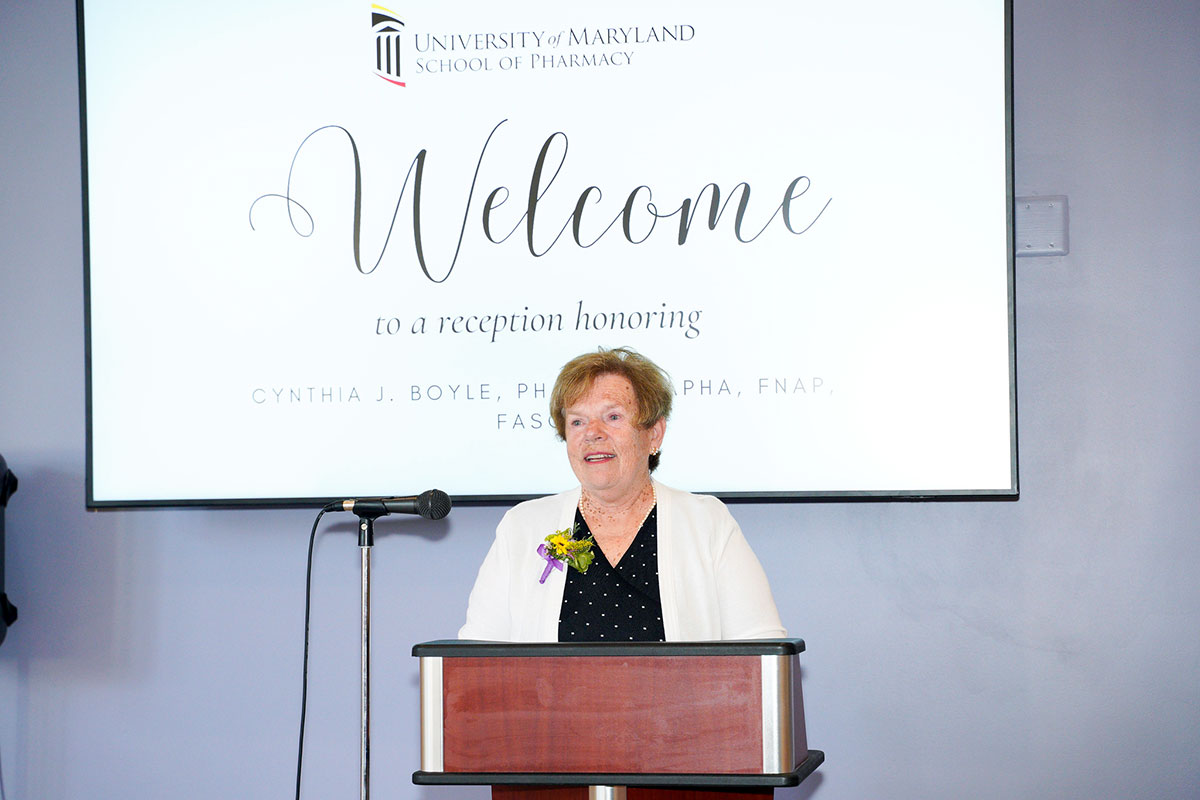
Cynthia Boyle’s Legacy Continues Through Transformational Endowment
April 27, 2026
Gift establishes the School’s first endowment supporting experiential learning and the Academy of Preceptors, ensuring lasting support for students, preceptors, and the future of pharmacy education.
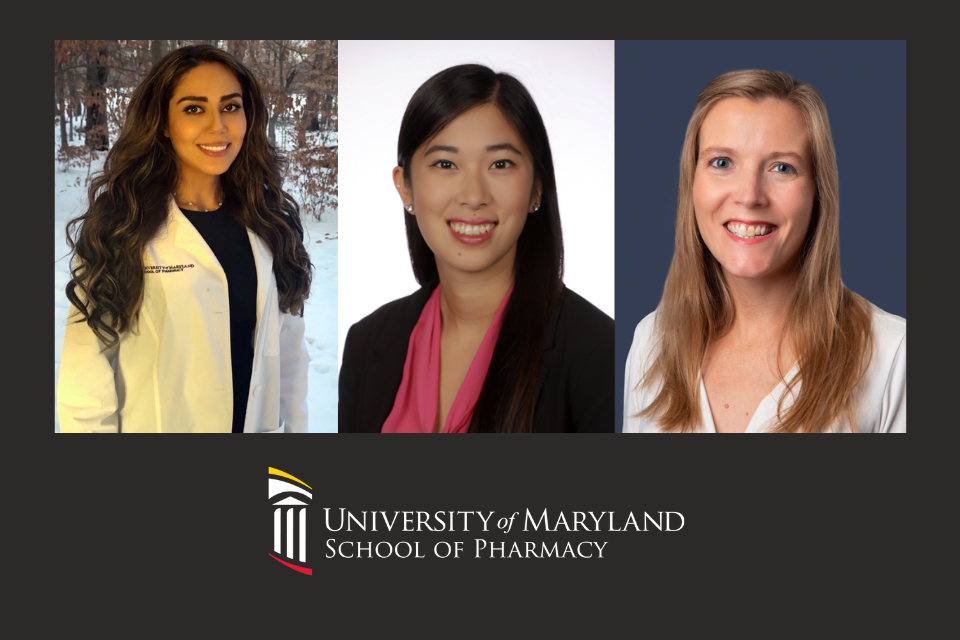
UMSOP Preceptors Honored by AACP for Excellence in Experiential Education
January 22, 2026
Three outstanding preceptors are recognized nationally for their dedication to mentoring student pharmacists and advancing experiential learning across diverse practice settings.