
UMSOP’s Cherokee Layson-Wolf Receives AACP Award for Innovative Pharmacy History Teaching
National award recognizes an innovative, team-based approach to teaching pharmacy history.
By Pam Carder
June 5, 2026
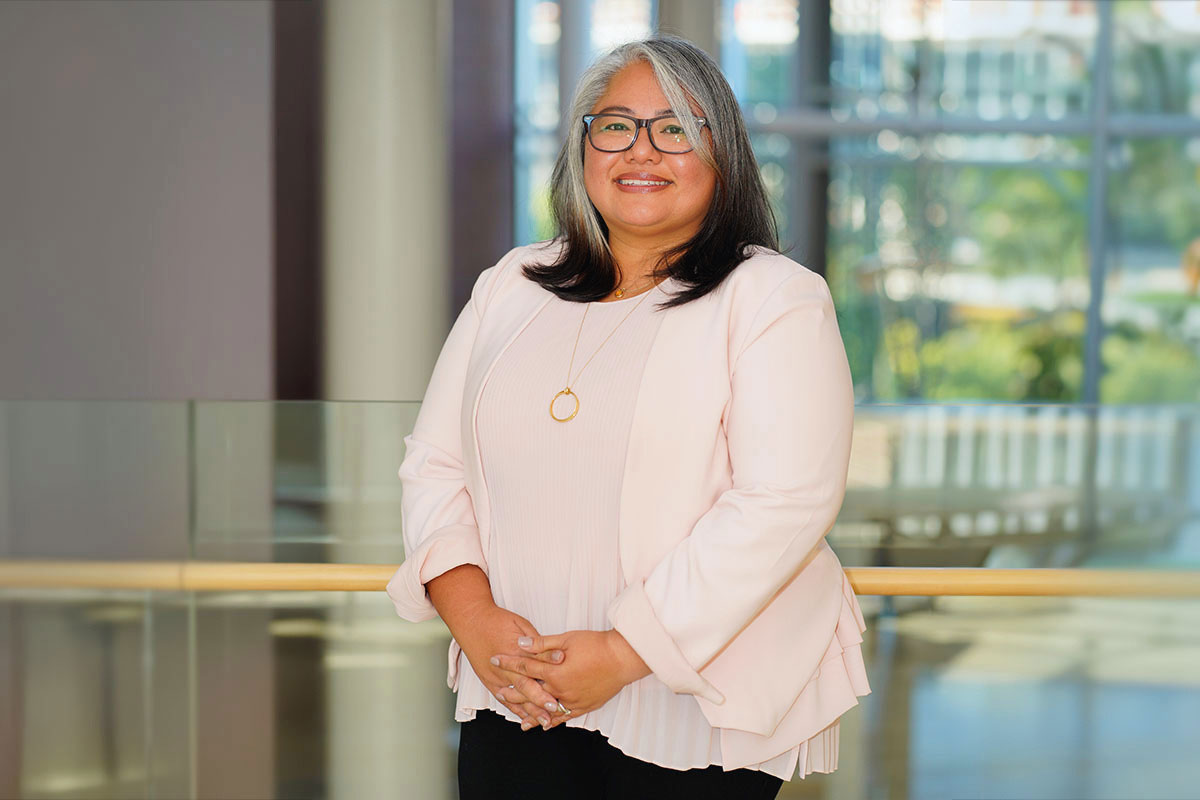
Cherokee Layson-Wolf, PharmD, BCACP, FAPhA, professor in the Department of Practice, Sciences, and Health Outcomes Research (P-SHOR) at the University of Maryland School of Pharmacy (UMSOP), has received the 2026 Innovations in Teaching and Learning Award from the American Association of Colleges of Pharmacy’s (AACP) History of Pharmacy Special Interest Group.
The award recognizes Layson-Wolf’s innovative approach to engaging first-year PharmD students in pharmacy history through collaborative, team-based learning and archival research.
“Dr. Layson-Wolf utilizes a learning experience that helps students connect the history of pharmacy to the evolving role of the profession today,” said Jill Morgan, PharmD, BCPS, BCPPS, FNAP, professor and chair of P-SHOR. “This innovative approach encourages curiosity, collaboration, and professional identity formation from the very beginning of students’ pharmacy education.”
Implemented within UMSOP’s Professional Foundations of Pharmacy course in the Doctor of Pharmacy program, the activity centers on student-led pharmacy history poster presentations that encourage first-semester student pharmacists to explore the profession’s evolution while building teamwork, communication, and research skills.
“Having students do the research encourages curiosity and builds research skills, versus listening to me lecture on pharmacy history,” Layson-Wolf said. “Additionally, it allows the entire class to learn about a much broader array of topics than what we could cover in a classroom setting.”
Building Professional Identity Through Pharmacy History
The Pharmacy History poster project, initiated in 2022 by former faculty member Kristin Watson, PharmD, BCCP, and currently led by Layson-Wolf, introduces first-year student pharmacists to the historical foundations of pharmacy practice while helping them better understand the profession’s current and future roles in health care.
Working in teams, students select pharmacy history topics, conduct research, and create posters that are presented to members of the School and campus community.
The activity also connects student pharmacists with the University of Maryland, Baltimore’s Health Sciences and Human Services Library and its historical collections, giving them opportunities to engage directly with archival materials documenting UMSOP’s 185-year history and the broader evolution of pharmacy practice.
“Most of the public has one main view of pharmacists and the pharmacy profession,” Layson-Wolf said. “There are hundreds of years of history related to our profession that helped shape where we are now, the roles that we play, and our future contributions.”
She added that helping students understand the history early in their education strengthens their connection to both the profession and the School.
“It’s so important that they understand the impact that UMSOP and its faculty have had on the world of pharmacy, medications, and health care. Learning that they are now a part of that history builds a deeper connection with the School,” she said.
Creating Collaboration, Curiosity, and Community
Since its beginning, the Pharmacy History experience has expanded into a community-centered learning activity that emphasizes student autonomy, creativity, and professional engagement.
Poster sessions are held towards the end of the fall semester in the Ellen H. Yankellow Grand Atrium in Pharmacy Hall and are evaluated by faculty, staff, and other members of the University community. Students also vote on the most creative and most informative presentations. A sample of some of the diverse topics presented by students in fall 2025 include:
- The Pure Food and Drug Act
- Pharmacy and Japanese Internment Camps during WWII
- Poison Prevention Packaging Act
- Evolution of Internet-Based Pharmacy in the U.S.
- Pharmacy Soda Shops
- Hatch-Waxman Act
Layson-Wolf said the open-ended structure encourages students to take ownership of their projects while developing confidence in presenting and discussing their work.
“I loved seeing how excited the students were to share their research,” she said. “As a whole, they professionally presented their self-selected topic and answered questions well from the judges and attendees.”
In announcing the award, the AACP History of Pharmacy Special Interest Group praised the project’s “innovative and impactful approach” to integrating team-based learning into a required professional course.
The award will be formally presented during the AACP History of Pharmacy Special Interest Group virtual business meeting in June.
Related News Stories
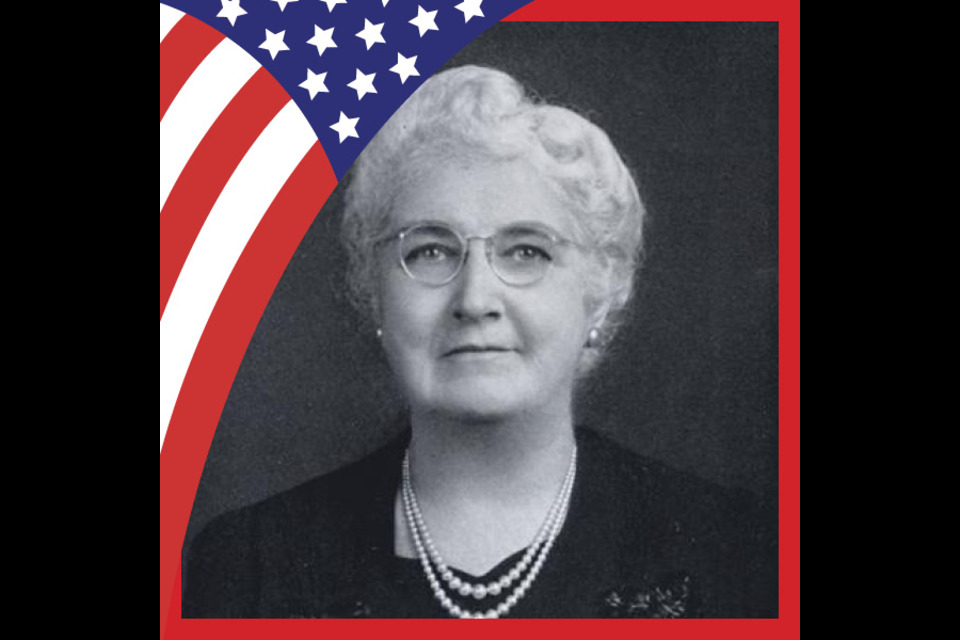
UMB Celebrates America at 250: Dr. Bessie Olive Cole and the Evolution of Women’s Impact in Science and Medicine
September 18, 2026
The “First Lady of Maryland Pharmacy” was a trailblazing educator, pharmacist, and leader who redefined what was possible for women in higher education and health and human services professions.
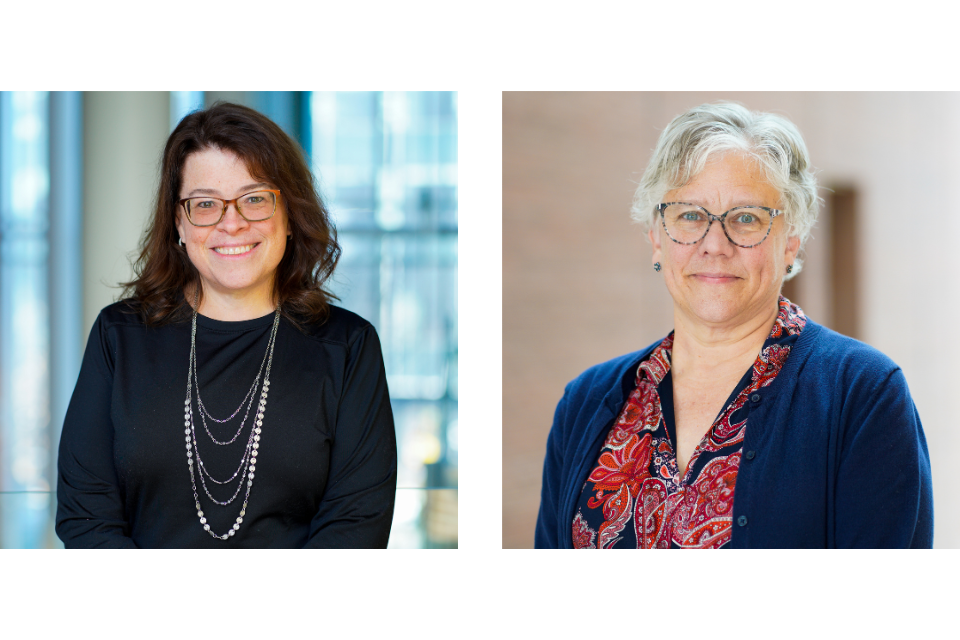
UMSOP Faculty Members Receive AACP’s Prestigious Rufus A. Lyman Award
August 25, 2026
Amy Ives and Lisa Lebovitz honored for award-winning research advancing pharmacy education; Lebovitz also recognized for collaborative assessment scholarship.
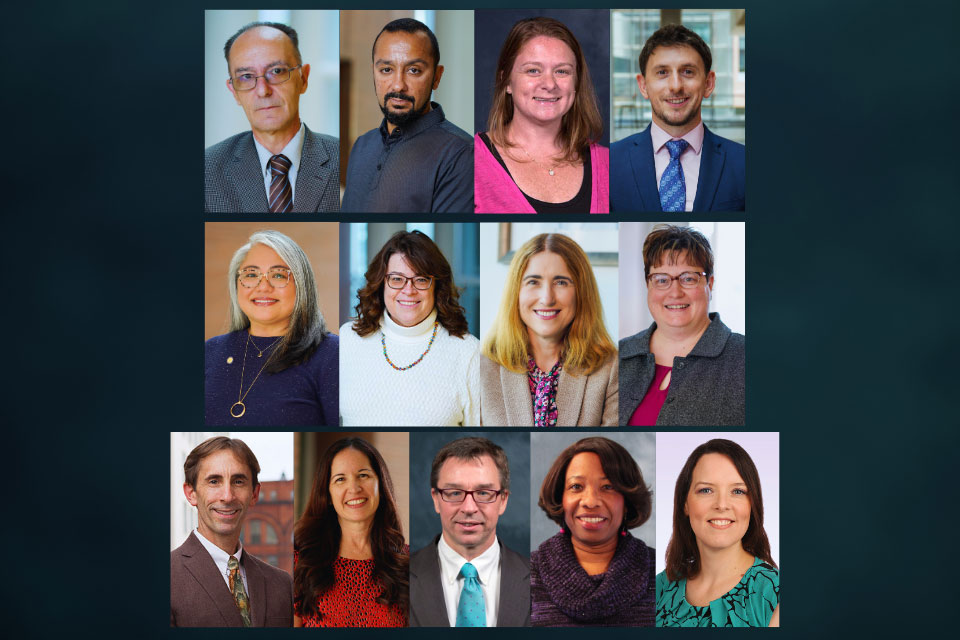
UMSOP Faculty and Programs Honored at AACP Annual Meeting
July 31, 2025
Celebrating big wins at AACP 2025, from top research awards to national leadership roles.